The idea of Greek cities in Scythia is hardly news to most history buffs. The Greek colonies of the black sea coast are well documented on the Crimerian Bosphorus. Colonies that went on to become strong city states in their own right, growing rich from the sale of grain to Athens. This article isn’t about those well documented cities, this article is about a lost and forgotten city situated deep in the Scythian hinterland.
Although the Scythians were written about extensively by Herodotus in book 4 of his histories, there still seems to be a shroud of mystery surrounding these nomadic horse riders. They dominated the Eurasian steppe, what is now Russia and the Ukraine, even as far east as Kazakhstan. Their culture could be considered the polar opposite to the high civilisation of Greece. They lived by the horse, driving herds of cattle across the open plains. But on the fringes of this society there existed a vast citadel of the likes of no other.
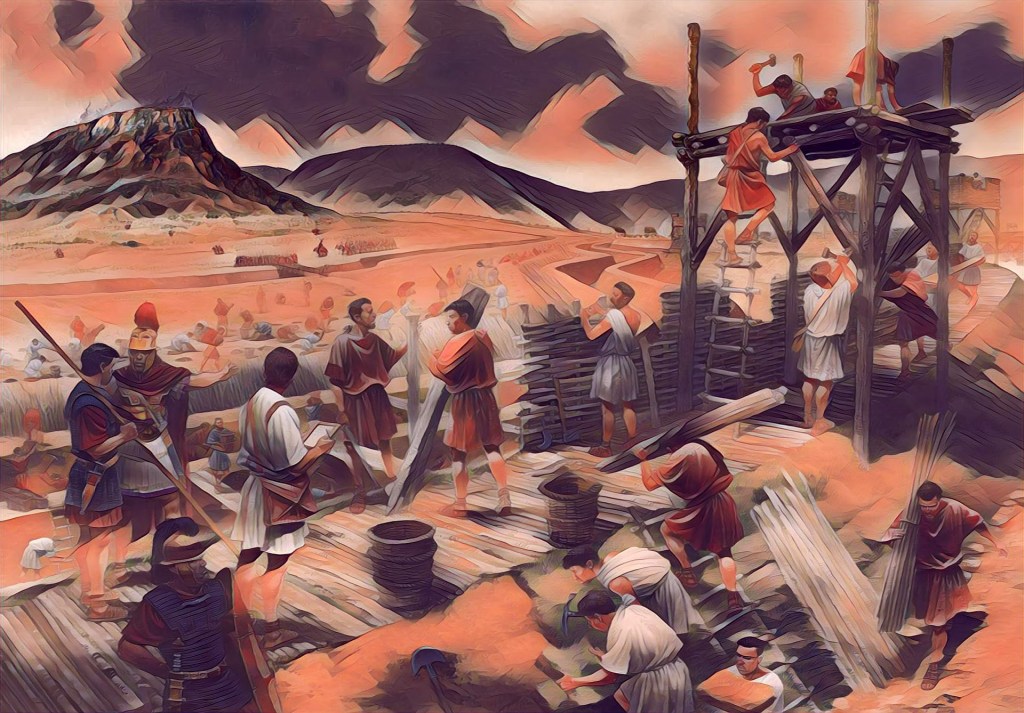
Herodotus describes the city of Gelonus as “the wooden fortress” a Greek city far inland from the safety of the black sea coast. He claims the city must be the remnant of a greek colony founded miles from the coastline where the steppe meets the forests. Over time the colonists mingled with the local Budini tribe until they became a mixture of both cultures speaking part Greek, part Scythian. The city was adorned with Greek temples, altars and statues of the Greek Pantheon all carved in wood. The houses are also made from wood. As if this were not remarkable enough, the city was surrounded by a great wooden wall and earthworks up to 16 meters high. The circuit of the wall extended over a massive 33 kilometers. Truly a wonder of the ancient world, peculiar in this remote wilderness.
And a city among them has been built, a wooden city, and the name of the city is Gelonus. Of its wall then in size each side is of thirty stades and high and all wooden. And their homes are wooden and their shrines. For indeed there is in the very place Greek gods’ shrines adorned in the Greek way with statues, altars and wooden shrines and for triennial Dionysus festivals in honour of Dionysus
This grand city of wood met it’s end when the Persians invaded Scythia. The Scythians were among the first civilisation to practice a cunning scorched earth strategy in the face of the Persian invasion. Instead of facing them in open battle, the Scythians opted to reteat before them and burn their own lands. This led the Persians on a wild goose chase deep into the Scythian hinterland. The Scythians sought the support of the subordinate tribes within their dominion. Amongst them were the red haired Budini where the city of Gelonus stood within their territory. When these tribes refused to aid the Scythians against the Persians, the Scythians chose to lure the Persians into the lands of the Budini hoping that this would encourage them to join ranks with the Scythians. With the Persians marching into the territory of the Budini, the Gelonians faced utter annihilation under the Persians. They chose to burn the wooden city to the ground lest it fall into the hands of the advancing Persian host.
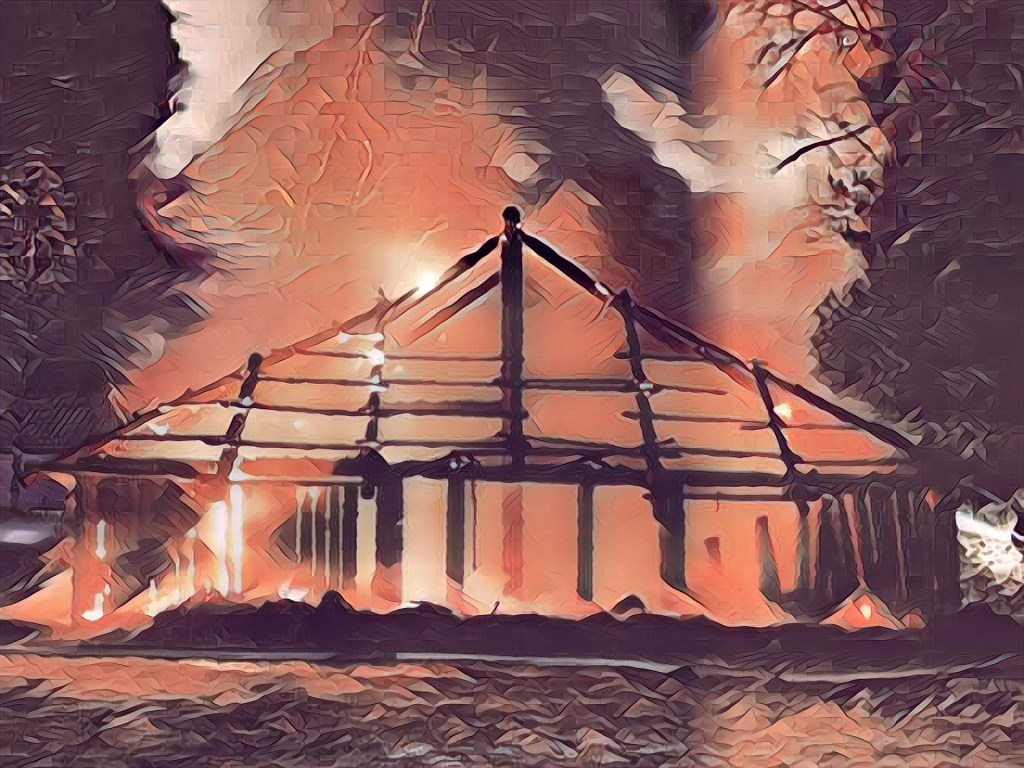
After being led on a wild goose chase in Scythia with nothing to forage for supplies in the scorched Earth, the Persians were forced to abandon the invasion. In this way the Scythians defeated the Persians without fighting a single battle but the wooden fortress was lost in the pages of time.
Now, the fact that Herodotus reports this would normally be enough for most scholars to completely disregard these claims as pure fabrication. Herodotus is often derided as “the father of lies” and many of his claims are refuted or disregarded as pure fantasy. Even in this age where modern archeaology seems to be vindicating many of the claims previously thought to be fantasy.
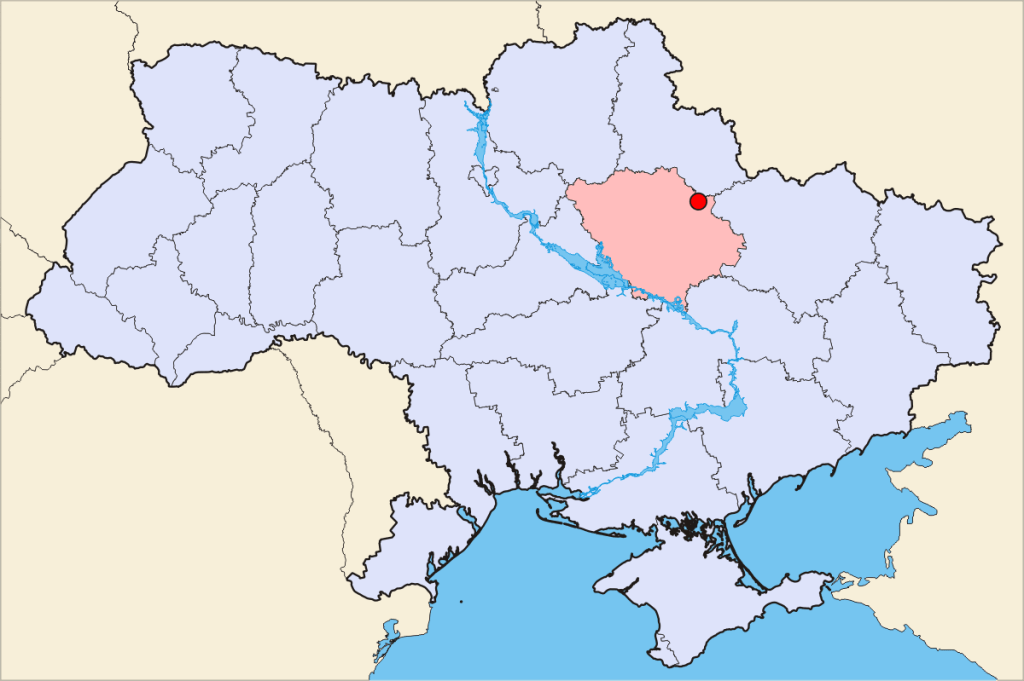
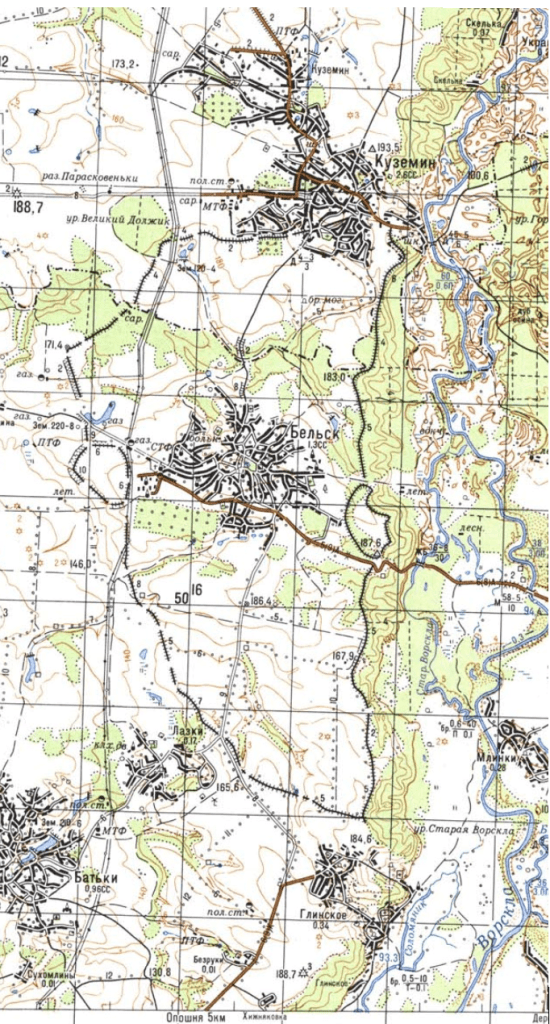
Near the village of Bilsk in Ukraine the massive remains of walls and ramparts have been uncovered by archaeologists, revealing what could be the remains of the great wooden fortress of Gelonus. They exist in the strategic border region of the steppe and the forest exactly as Herodotus described. Earthworks walls up to 12meters high defend three keeps stretching over 30 square kilometers. If these finds prove to be the remains of the lost wooden fortress, this would be a groundbreaking discovery and could prove to be the most remote Greek settlement of ancient times.
However, the burning of the wooden fortress did not spell the end of the Gelonians. Writing in the 4th century, Roman writer Claudian mentions the Gelonians once more. Though we cannot be sure that this was a true eye witness account. It may be the case that Claudian was using older classical references to embellish the savage grandeur of his opponents with tribal names that may have been familiar to his readers back home.
There march against us a mixed horde of Sarmatians and Dacians, the Massagetes who cruelly wound their horses that they may drink their blood, the Alans who break the ice and drink the waters of Maeotis’ lake, and the Geloni who tattoo their limbs
Regardless of the fate of the Gelonians, there can be no doubt the graven idols of Greek gods and towering city walls reaching over the horizon were a sight to behold in their time. Perhaps one of the most remarkable and peculiar colonies the Greeks founded in the ancient world.

 Obscure Antiquity