After the time of the lawgiver Lycurgus the Spartan state was set in good order, with good land and many fighting men they flourished in prosperity under the new laws set out by Lycurgus. Not content to live in peace, before long the Spartans believed themselves to be superior to their Arcadian neighbors and set about devising a plan to annex the lands of Arcadia and make helots of their fellow Arcadian Greeks.As was customary of the time before making war upon Arcadia they consulted the Oracle of Delphi.
The Oracle replied
—“𝑌𝑜𝑢 𝑎𝑠𝑘 𝑚𝑒 𝑓𝑜𝑟 𝐴𝑟𝑐𝑎𝑑𝑖𝑎? 𝑌𝑜𝑢 𝑎𝑠𝑘 𝑡𝑜𝑜 𝑚𝑢𝑐𝒉; 𝐼 𝑔𝑟𝑎𝑛𝑡 𝑖𝑡 𝑛𝑜𝑡.
𝑇𝒉𝑒𝑟𝑒 𝑎𝑟𝑒 𝑚𝑎𝑛𝑦 𝑚𝑒𝑛 𝑖𝑛 𝐴𝑟𝑐𝑎𝑑𝑖𝑎, 𝑒𝑎𝑡𝑒𝑟𝑠 𝑜𝑓 𝑎𝑐𝑜𝑟𝑛𝑠,
𝑊𝒉𝑜 𝑤𝑖𝑙𝑙 𝒉𝑖𝑛𝑑𝑒𝑟 𝑦𝑜𝑢. 𝐵𝑢𝑡 𝐼 𝑔𝑟𝑢𝑑𝑔𝑒 𝑦𝑜𝑢 𝑛𝑜𝑡.
𝐼 𝑤𝑖𝑙𝑙 𝑔𝑖𝑣𝑒 𝑦𝑜𝑢 𝑇𝑒𝑔𝑒𝑎 𝑡𝑜 𝑏𝑒𝑎𝑡 𝑤𝑖𝑡𝒉 𝑦𝑜𝑢𝑟 𝑓𝑒𝑒𝑡 𝑖𝑛 𝑑𝑎𝑛𝑐𝑖𝑛𝑔,
𝐴𝑛𝑑 𝑖𝑡𝑠 𝑓𝑎𝑖𝑟 𝑝𝑙𝑎𝑖𝑛 𝑡𝑜 𝑚𝑒𝑎𝑠𝑢𝑟𝑒 𝑤𝑖𝑡𝒉 𝑎 𝑟𝑜𝑝𝑒.” —
Elated at the oracle’s reply the Spartans were confident that they would take the city of Tegea, they endeavoured to leave the rest of the Arcadians be and set about enslaving the men of Tegea.
—THE BATTLE OF THE FETTERS—
The Spartans marched out carrying the chains with which to enslave the Tegeans. Confident that the Oracle was in their favour. But they were deceived by it.
The Tegeans were not known as great warriors like the Spartans but they utterly defeated the Spartans in battle. Those taken alive were bound in the very chains they had brought with them, and they measured the Tegean plain with a rope by working the fields. Thus the Oracle’s words were fulfilled but not in the way the Spartans had hoped! In later times the chains the Spartans had brought were displayed hanging up at the temple of Athena Alea.
—OVER MY DEAD BODY—
The Spartans continually fought unsuccessfully against the Tegeans for some time in an attempt to win back their lost valour but they were unsuccessful.
In time they sent ambassadors to Delphi to ask which god they should propitiate to prevail against the Tegeans in war. The Pythia responded that they should
—“𝒃𝒓𝒊𝒏𝒈 𝒃𝒂𝒄𝒌 𝒕𝒉𝒆 𝒃𝒐𝒏𝒆𝒔 𝒐𝒇 𝑶𝒓𝒆𝒔𝒕𝒆𝒔, 𝒔𝒐𝒏 𝒐𝒇 𝑨𝒈𝒂𝒎𝒆𝒎𝒏𝒐𝒏”—
Unsure of where Orestes bones lay buried they again made enquiry to Delphi to find out where to look. The Oracle replied
—“𝑻𝒉𝒆𝒓𝒆 𝒊𝒔 𝒂 𝒑𝒍𝒂𝒄𝒆 𝑻𝒆𝒈𝒆𝒂 𝒊𝒏 𝒕𝒉𝒆 𝒔𝒎𝒐𝒐𝒕𝒉 𝒑𝒍𝒂𝒊𝒏 𝒐𝒇 𝑨𝒓𝒄𝒂𝒅𝒊𝒂,
𝑾𝒉𝒆𝒓𝒆 𝒕𝒘𝒐 𝒘𝒊𝒏𝒅𝒔 𝒃𝒍𝒐𝒘 𝒖𝒏𝒅𝒆𝒓 𝒔𝒕𝒓𝒐𝒏𝒈 𝒄𝒐𝒎𝒑𝒖𝒍𝒔𝒊𝒐𝒏.
𝑩𝒍𝒐𝒘 𝒍𝒊𝒆𝒔 𝒖𝒑𝒐𝒏 𝒃𝒍𝒐𝒘, 𝒘𝒐𝒆 𝒖𝒑𝒐𝒏 𝒘𝒐𝒆.
𝑻𝒉𝒆𝒓𝒆 𝒕𝒉𝒆 𝒍𝒊𝒇𝒆-𝒈𝒊𝒗𝒊𝒏𝒈 𝒆𝒂𝒓𝒕𝒉 𝒄𝒐𝒗𝒆𝒓𝒔 𝒕𝒉𝒆 𝒔𝒐𝒏 𝒐𝒇 𝑨𝒈𝒂𝒎𝒆𝒎𝒏𝒐𝒏.
𝑩𝒓𝒊𝒏𝒈 𝒉𝒊𝒎 𝒃𝒂𝒄𝒌, 𝒂𝒏𝒅 𝒚𝒐𝒖 𝒔𝒉𝒂𝒍𝒍 𝒃𝒆 𝒍𝒐𝒓𝒅 𝒐𝒇 𝑻𝒆𝒈𝒆𝒂.”—
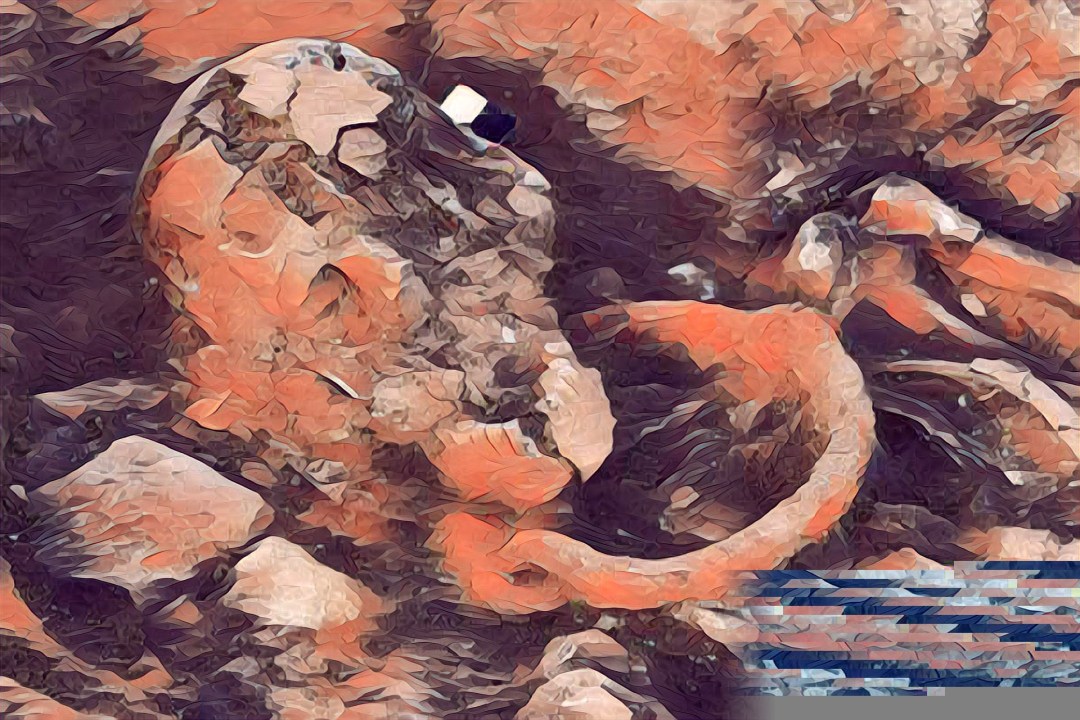
Perplexed and confused at this reply they were no closer to finding the spot where Orestes bones lay. After some time an old Spartan named lichas happened upon circumstance to be in Tegea when he visited the blacksmiths shop, whereupon the meaning of the Oracle came upon him when gazing at the blacksmith working iron. In the smith’s two bellows he found the winds, hammer and anvil were blow upon blow, and the forging of iron was woe upon woe just as the Oracle had prophecised. After reasoning this out, he went back to Sparta and told the Spartans what he had witnessed, though the Spartans were unwilling to listen and sent him away in shame. Whereupon lichas returned to the blacksmiths workshop in Tegea and pleaded with him to set up residence in his shop. As soon as he had established himself there he dug up the earth beneath the blacksmiths forge and discovered a coffin 12 feet long. Sure that these were the bones of Orestes he gathered them up and returned to Sparta to present them to the ephors.
Ever since then the Spartans were far superior to the Tegeans whenever they met each other in battle. It wasn’t long after that the Spartans had subdued most of the Peloponnese and became renowned as great warriors.

 Obscure Antiquity